
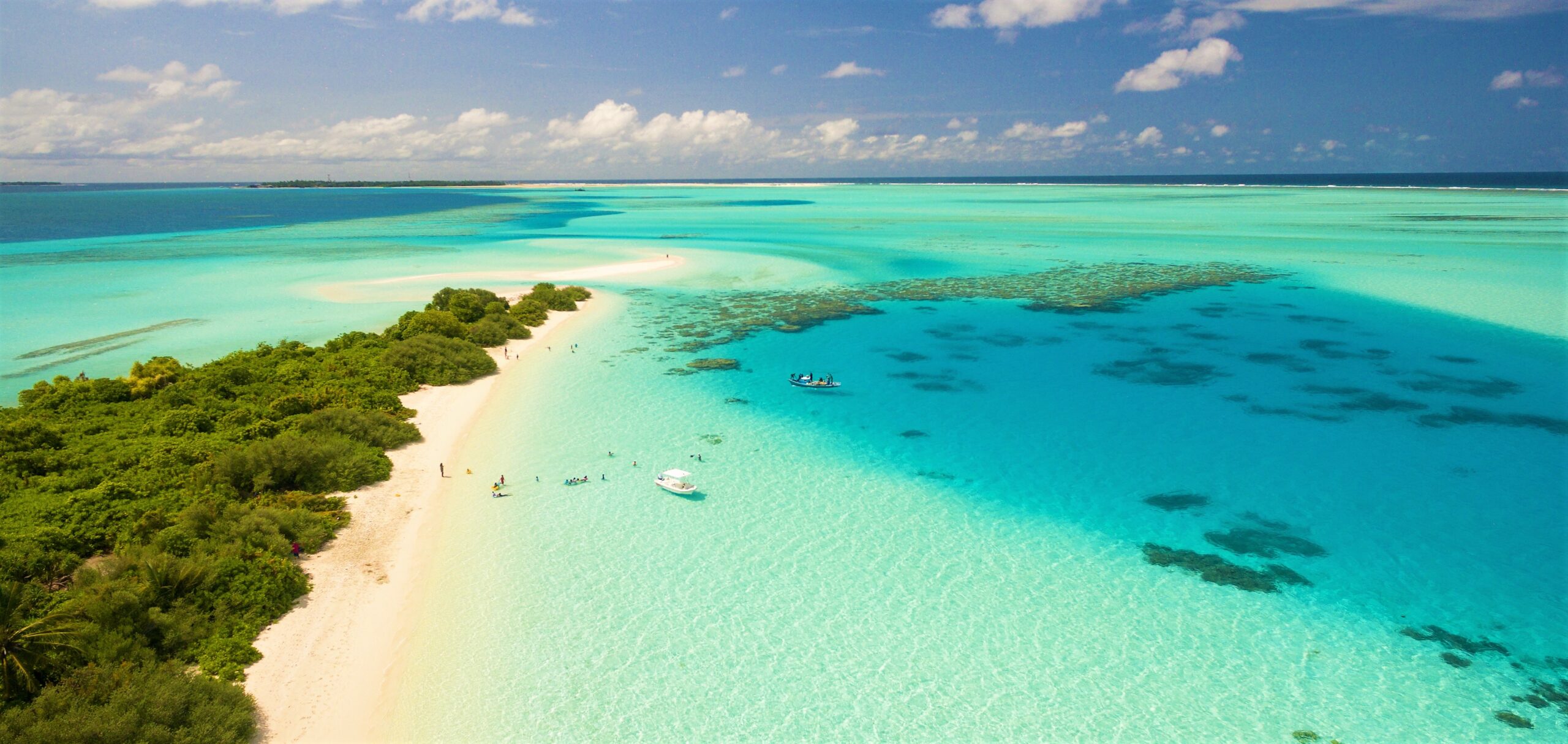
The British Virgin Islands climate is one of the reasons the destination is so popular for yacht charters. Warm temperatures, cooling trade winds, clear Caribbean water, and plenty of sunshine make the islands appealing for much of the year.
Conditions do vary by season, and the time of year also affects demand and availability. Knowing what to expect helps you choose the right dates for your seven-night charter, from the popular winter months to the quieter hurricane season.
Air temperatures year-round
Peak charter season
Atlantic hurricane season
The British Virgin Islands Climate
The British Virgin Islands have a warm tropical climate all year, with air temperatures generally in the 70s and 80s Fahrenheit. Sea temperatures stay warm too, so swimming, snorkeling, and other water activities are possible year-round.
Trade winds are a defining feature of the local climate. They provide a steady natural breeze that keeps warm days comfortable on board and gives the BVI its reputation for reliable sailing.
Rain falls throughout the year, but showers are usually brief. Conditions can also vary between islands, which gives your captain flexibility to plan each day’s route around the local forecast.
Peak Season: December Through April
December through April is the most popular time for a BVI yacht charter. It coincides with winter in the United States, making the islands especially attractive to travelers escaping the cold.
These months typically bring warm temperatures, lower humidity, and consistent trade winds, with less frequent rain than the wetter months. Demand peaks around Christmas, New Year, and spring breaks, so booking ahead gives you a wider choice of yachts and dates, which matters most for larger groups.
British Virgin Islands Weather in December
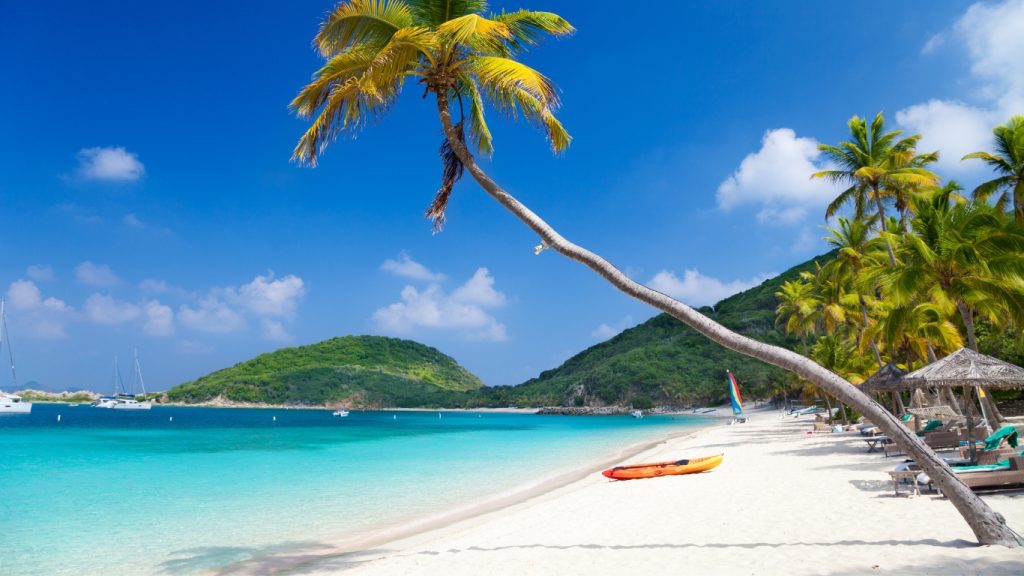
British Virgin Islands weather in December is usually ideal for travelers escaping cooler US temperatures. Days are warm, evenings are comfortable with the trade winds, and the water is inviting for swimming and snorkeling. December also marks the start of the busy winter season, so plan well ahead if you want to travel over Christmas or New Year.
British Virgin Islands Weather in January
British Virgin Islands weather in January offers plenty of warm days and generally drier conditions. January is part of the dry season, though brief showers can still pass through. The winter trade winds can be at their freshest this time of year, which sailors love and your captain will plan around.
British Virgin Islands Weather in February
British Virgin Islands weather in February is similarly warm and generally dry. Trade winds keep things breezy, and sea temperatures remain comfortable for swimming and water sports. February is firmly within the high-demand season, so travelers with fixed dates should book their preferred yacht well in advance.
Hurricane Season in the British Virgin Islands
The official Atlantic hurricane season runs from June 1 through November 30. That doesn’t mean storms occur throughout the period, and many days still bring warm, sunny Caribbean weather.
However, tropical storms and hurricanes are a real consideration. If you plan to travel during this period, monitor forecasts and stay in contact with your charter team. Review your travel insurance carefully, as policies vary, and check whether it covers cancellations or interruptions related to tropical storms. Before booking, also ask about the charter’s cancellation and weather-related policies.
One potential advantage of hurricane season is lower demand, which can mean more flexibility around dates and availability than in the busiest winter months.
Shoulder Months and Potential Value
May and parts of November can be appealing if you want warm Caribbean weather outside peak season and have a flexible schedule. Weather can be a little less predictable than in the core winter months, and Caribbean forecasts are most useful close to departure rather than weeks ahead. If your dates are flexible, ask the charter team about alternative weeks and current availability.
Tips for Planning Your BVI Yacht Charter
- Check the forecast: Look beyond temperature to rainfall, wind, and tropical weather activity.
- Book early for peak season: December through April is popular, with especially high demand around major holidays.
- Keep some flexibility: Compare several weeks to see how availability differs.
- Review your insurance: This is especially important during hurricane season. Understand exactly what your policy covers before booking.
- Stay in contact with your charter team: Local professionals can share current conditions and help plan your itinerary.
- Pack for tropical weather: Lightweight clothing, swimwear, reef-safe sun protection, a light layer for breezy evenings, and a rain shell.
There is no single perfect month. Winter is the most popular for its reliable weather, the shoulder months may suit flexible travelers, and hurricane season calls for closer attention to forecasts, insurance, and cancellation terms. Understanding the British Virgin Islands climate before booking gives you the chance to weigh seasonal conditions against your priorities. For more on timing, see our month-by-month booking guide.
Plan Your BVI Yacht Charter
Talk to our charter team about your ideal dates, group size, and itinerary, and we’ll help you find the right week and the right yacht.
Prefer to talk it through? Call a charter specialist at 1-800-524-7676.
Frequently Asked Questions
What is the best month to charter a yacht in the British Virgin Islands?
December through April is the most popular period thanks to warm temperatures, generally drier conditions, and steady trade winds. The right month depends on your dates, availability, and priorities.
When is hurricane season in the British Virgin Islands?
Hurricane season runs from June 1 through November 30. Tropical storms can occur during this period, so monitor forecasts, review your insurance, and check charter cancellation terms.
Is December a good time to visit the British Virgin Islands?
Yes. British Virgin Islands weather in December is typically warm and pleasant, and it marks the start of the popular winter season. Demand is high around Christmas and New Year, so book as far in advance as possible.